The foreign exchange market, usually called forex or FX, is the marketplace where one currency is exchanged for another. It is the largest financial market in the world by turnover, operating around the clock from Monday to Friday as trading moves from Asia to Europe and then to North America. People and companies use it for many reasons: a traveler changing money, an importer paying a supplier in another currency, a central bank managing reserves, or a trader trying to profit from changes in exchange rates.
This article explains how the market is structured, how a currency pair is quoted, who the main participants are, and which practical ideas matter most if you are studying forex for the first time. It is an introduction, not a promise of results. Currency prices can move quickly, and any decision to trade should be made only after you understand the risks.
How the Forex Market Is Organized
Unlike a stock exchange with a single trading floor, forex is an over-the-counter market. Banks, brokers, electronic platforms, and other dealers connect through a network of liquidity providers. There is no official closing bell for the global market as a whole. Liquidity is usually highest when major sessions overlap, especially when London and New York are open at the same time.
Prices are shown as currency pairs. The first currency in the pair is the base currency, and the second is the quote currency. If EUR/USD is quoted at 1.0850, one euro buys 1.0850 US dollars. If that rate rises, the euro has strengthened against the dollar. If it falls, the euro has weakened. Every trade is a view on one currency relative to another, not a view on a single currency in isolation.
Who Participates in the Market
The market includes several types of participants with different goals. Commercial banks and large dealers provide liquidity and serve corporate clients. Multinational companies use forex to pay invoices, hedge receivables, and manage the currency risk that comes with international trade. Asset managers and funds convert currencies when they buy or sell foreign assets. Central banks may intervene or adjust policy in ways that influence exchange rates. Retail traders, who access the market through brokers, form a smaller share of overall volume but are a visible part of online trading.
These groups do not all trade for the same reason. A company may simply want a stable rate to plan a shipment. A short-term trader may try to capture a move that lasts minutes or hours. Understanding that mix of motives helps explain why prices can stay quiet for a period and then move sharply after a data release or a policy comment.
How a Forex Trade Works in Practice
A typical retail trade involves choosing a pair, deciding whether to buy (go long) or sell (go short), and selecting a position size. Brokers usually quote a bid and an ask. The difference between those two prices is the spread, which is one cost of trading. Other costs may include commissions, overnight financing known as swap or rollover, and slippage when a price moves between the time you send an order and the time it is filled.
Many brokers offer leverage, which lets you control a position larger than the cash in your account. Leverage can magnify gains, but it also magnifies losses and can wipe out an account quickly if the market moves against you. Margin is the portion of capital set aside to keep that position open. If losses reduce your equity too far, the broker may close positions automatically. These mechanics are essential to understand before any real money is used.
Sessions, Liquidity, and Volatility
The Asian, European, and North American sessions each have their own character. Some pairs, such as USD/JPY, often see more activity during the Tokyo hours, while EUR/USD and GBP/USD typically become more active as London opens. News from the United States can move almost every major pair. Low liquidity, such as around holidays or late in the Friday session, can widen spreads and produce uneven price gaps. A beginner who only watches one time of day may get a misleading picture of how a pair usually behaves.
What Moves Exchange Rates
Exchange rates respond to interest-rate expectations, inflation, growth data, trade flows, political events, and shifts in risk appetite. If markets expect a central bank to raise rates, that currency may attract capital and strengthen, though the reaction is never guaranteed. A surprise inflation print, a change in employment figures, or a geopolitical shock can reverse a trend in minutes. Technical patterns and positioning can also influence short-term moves, especially when many traders are watching the same level.
No single indicator explains every move. That is why experienced market participants usually combine an understanding of the economic calendar with a clear plan for risk. Trying to predict every fluctuation is unrealistic. A more useful goal, if you later decide to practice, is to define what would prove your idea wrong and how much capital you are prepared to lose on a single idea.
A Sensible Starting Point for Beginners
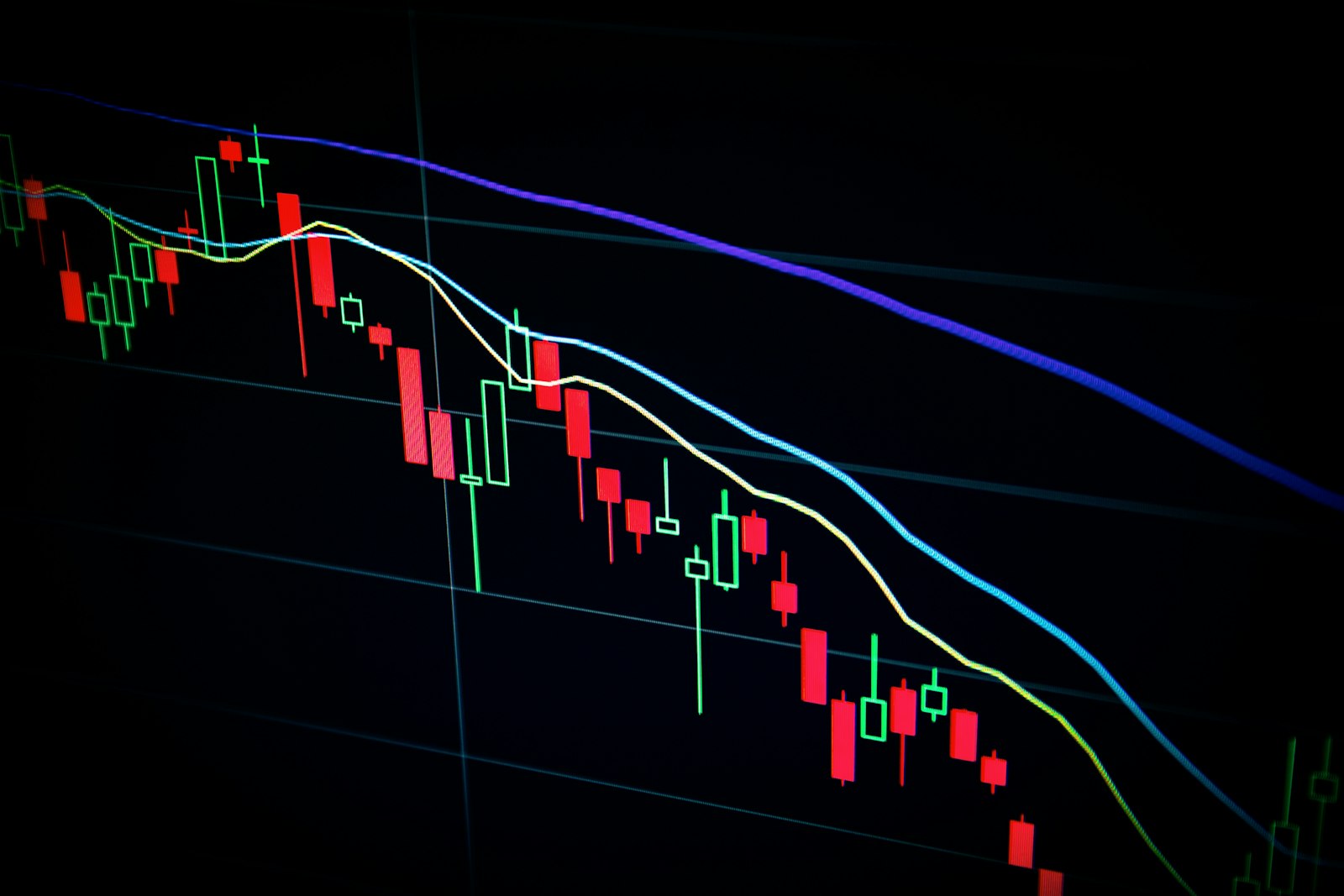
If you are new to forex, begin with education rather than live trading. Learn how pairs are quoted, how to read a simple candlestick chart, and how a margin call works. Use a demo account to see order types in action, but remember that demo conditions are not the same as live conditions, especially when emotions and real losses enter the picture. Read your broker’s legal documents, compare costs, and be cautious of anyone who claims a method is easy or consistently profitable.
Keep a written plan even when you are only practicing: which pairs you will watch, what timeframes you will use, how you will measure risk, and when you will stay out of the market. The most important habit is capital preservation. Many accounts fail not because the trader never had a reasonable idea, but because position sizes were too large and losses were allowed to run.
Conclusion
Forex is a vast, fast, and decentralized market for exchanging currencies. It serves companies, institutions, and individuals, and it reflects economic and political forces from around the world. Understanding pairs, spreads, sessions, and leverage is the foundation. From there, further study of risk management, analysis, and trading psychology can be approached step by step. Treat every piece of market commentary, including this one, as education rather than a signal to trade, and never risk money you cannot afford to lose.
Risk disclaimer: Forex and other leveraged currency trading involve a substantial risk of loss and are not suitable for every investor. You can lose some or all of your capital, and losses can exceed your deposit when leverage is used. This article is for educational purposes only and does not constitute investment, trading, or financial advice. Past performance is not a reliable indicator of future results. Consider your own financial situation and, if needed, seek independent advice before making any trading decision.